
How Divorce Affects Professional Practices: Doctors, Lawyers, and Consultants
Divorce How Divorce Affects Professional Practices: Doctors, Lawyers, and Consultants Read More Key Takeaways How Is a Professional Practice Treated

Digital Assets & Divorce

Dividing assets during a divorce has always involved complex financial discussions. But with the rise of technology, new types of property have emerged, creating additional challenges. Digital assets, including cryptocurrencies, NFTs, online businesses, and other virtual holdings, are now part of many couples’ wealth portfolios. Understanding how these assets fit into divorce settlements can make a significant difference in achieving a fair outcome.
Digital assets cover a broad spectrum of property stored electronically. This includes cryptocurrencies like Bitcoin and Ethereum, digital tokens such as NFTs (non-fungible tokens), online business interests, domain names, digital copyrights, and even loyalty points or rewards from online platforms.
Consider this: Just a decade ago, the idea of valuing Bitcoin in a divorce would have seemed unusual. Today, with Bitcoin’s market capitalization exceeding hundreds of billions of dollars, digital assets represent a meaningful portion of many people’s net worth.
Our experienced attorneys can help you uncover, value, and fairly divide tech-era property so you can move forward with clarity and confidence.
Unlike traditional assets such as houses or bank accounts, digital assets can be difficult to identify, value, and divide. Some reasons include:
For example, a couple might share ownership of an online business that generates steady income but also holds significant digital copyrights or client lists. Dividing these assets requires careful consideration, beyond simple numbers.
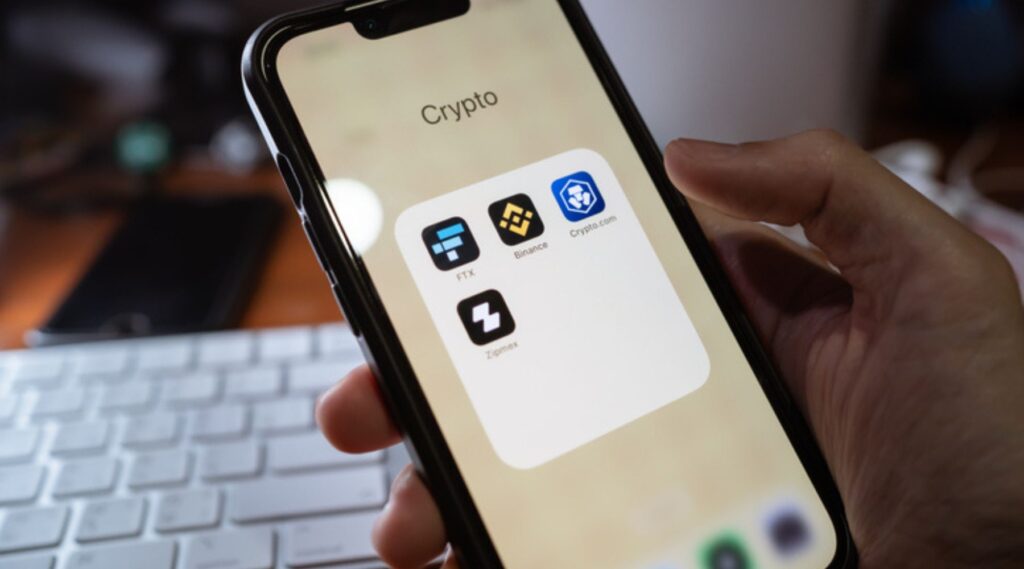
Bitcoin and other cryptocurrencies present some unique challenges in divorce cases—and they’ve become a central part of the conversation around digital assets in divorce. Because these assets are often held in private digital wallets, spouses may not disclose their full holdings. Failure to do so can lead to inequitable settlements or legal disputes.
Valuation also requires expertise. Cryptocurrency prices fluctuate, and the value at the time of divorce filing may differ greatly from the date of settlement. Courts and attorneys often bring in financial experts to appraise these assets accurately.
It’s helpful to understand that many jurisdictions are still developing laws on how cryptocurrencies should be treated in divorce. For now, the general rule treats cryptocurrencies like other financial assets, subject to division based on ownership and contribution during the marriage.
NFTs are a newer form of digital asset representing ownership of unique digital items such as art, music, or collectibles. Unlike cryptocurrencies, NFTs are non-fungible, meaning each token is unique and not interchangeable.
Dividing NFTs in a divorce requires assessing both their current market value and their future potential. The NFT market is volatile and speculative, making valuations challenging. One NFT might sell for thousands one day and much less the next.
Imagine a couple owns a collection of digital art NFTs purchased during their marriage. They may need to decide whether to sell the collection and split the proceeds or assign specific NFTs to each party. Legal agreements should also clarify rights over future earnings if the NFTs generate royalties.

Online businesses add another layer of complexity. Many people run e-commerce stores, blogs, SaaS platforms, or affiliate marketing sites as income sources. These businesses often consist of:
Dividing these assets requires an in-depth look at their profitability and future earning potential. For example, if one spouse built a website generating significant monthly revenue, courts might consider that as part of the marital estate, subject to division.
Unlike physical businesses, intangible online assets might be harder to transfer or divide without disrupting operations. A professional valuation helps determine the business’s worth, and agreements should outline management and ownership moving forward.
Handling digital assets during a divorce usually follows a step-by-step process. It begins with both spouses disclosing all digital holdings—everything from cryptocurrency wallets to login credentials for online businesses. In many cases, legal support may be needed to ensure full transparency, especially if trust is limited.
Once everything is on the table, the next step is valuation. Financial professionals assess the current market value of the assets, their potential to generate income, and any long-term growth prospects. This can be especially important for volatile assets like Bitcoin or high-traffic online platforms.
From there, ownership needs to be clarified. Some assets may have been acquired before the marriage and could be considered separate property, while others are part of the marital estate. Understanding who owns what helps shape the overall division strategy.
After ownership is established, the couple works—often with their attorneys—to agree on how the digital assets will be divided. Options might include selling off certain holdings and splitting the proceeds, assigning specific assets to each person, or creating buyout arrangements.
Finally, everything should be documented in the divorce agreement. Clear, detailed language about how digital assets will be handled helps prevent misunderstandings and future legal disputes.
Digital assets require specialized knowledge. Family law attorneys experienced in digital property can navigate the complexities of valuation and division. At Whiting, Ross, Abel & Campbell, we work with financial experts and forensic accountants to ensure digital assets are fairly identified and divided.
Ignoring or mishandling digital assets can lead to costly disputes or unintended losses. Early identification and clear agreements help prevent surprises during or after the divorce.
Our attorneys can guide you through this complex terrain with clarity and confidence. Contact us to discuss your unique situation and ensure your digital wealth is protected through the divorce process.
The above is not meant to be legal advice, and every case is different. Feel free to reach out to us at Whiting, Ross, Abel & Campbell, LLP if you have any questions. Information contained in this content and website should not be relied on as legal advice. You should consult an attorney for advice on your specific situation.
Visiting this site or relying on information gleaned from the site does not create an attorney-client relationship. The content on this website is the property of Whiting, Ross, Abel & Campbell, LLP and may not be used without the written consent thereof.
Cryptocurrencies are typically treated as marital property and divided based on when they were acquired and their current value. Courts may require full disclosure and use financial experts to determine fair division.
It’s possible, since crypto can be stored anonymously, but courts can order forensic investigations to uncover undisclosed assets. Failing to disclose crypto holdings can lead to legal penalties.
Courts usually rely on expert appraisals to determine the market value of NFTs at the time of divorce. These assets may be sold, assigned to one spouse, or divided based on negotiated agreements.
Divorce How Divorce Affects Professional Practices: Doctors, Lawyers, and Consultants Read More Key Takeaways How Is a Professional Practice Treated

Infidelity can shatter more than trust—it can drain community assets. In California, courts won’t punish cheating, but they will scrutinize how marital money was spent and allow reimbursement for funds diverted to an outside relationship. If you suspect missing assets in a high-asset East Bay divorce, learn how to trace, document, and recover your share.
The website is designed for general information only. The information presented at this site should not be construed to be legal advice or the formation of a lawyer/client relationship. Portions of this website may include what some states might consider to be attorney advertising. Do not provide any confidential information to Whiting, Ross, Abel & Campbell, LLP through this site. If you need legal advice, you should seek professional assistance from a licensed lawyer in your jurisdiction. Whiting, Ross, Abel & Campbell, LLP is in Walnut Creek, California, and our attorneys are licensed to practice in the State of California.
This privacy notice discloses the privacy practices for Whiting, Ross, Abel & Campbell, LLP relating to information collected on this website.
When you use this website, Whiting, Ross, Abel & Campbell, LLP will collect the personal information you provide to us whether it is by you contacting us by e-mail or otherwise. Whiting, Ross, Abel & Campbell, LLP will not share your information with any third parties. Unless you ask us not to, we may contact you via the contact information you provide to tell you about information regarding the firm or the firm’s practice areas, as well as to tell you about changes to the privacy policy.
If you would not like to be contacted, or if you would like to make changes to the information you provide us through the website, you may contact us directly at 925-296-6000. If there are any material changes to our privacy policy, they will be posted on this website.
This Privacy Policy is effective as of January 1, 2016.